



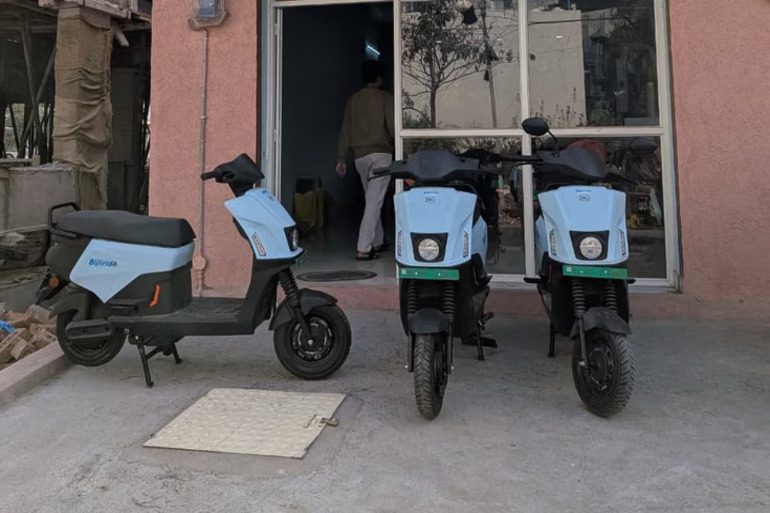
India’s electric mobility ecosystem is witnessing another growth push as Bijliride plans to roll out 2,500 electric vehicles (EVs) across key markets over the next 90 days. The expansion is aimed at strengthening mobility solutions for gig workers and delivery partners while supporting the broader transition toward sustainable transportation.
The planned rollout comes at a time when rising fuel prices and increasing demand for cost-efficient transportation options are encouraging more gig workers to explore electric mobility alternatives. By expanding its fleet presence, Bijliride aims to cater to high-demand urban markets where last-mile delivery and on-demand logistics services continue to grow rapidly.
The company’s expansion strategy is focused on providing accessible electric vehicle solutions that can help riders reduce operating costs while benefiting from lower maintenance requirements compared to conventional fuel-powered vehicles. As India’s gig economy continues to expand, reliable and affordable mobility options are becoming increasingly important for delivery executives, e-commerce partners, and other independent workers who depend on daily transportation for their livelihoods.
Electric two-wheelers have emerged as a preferred choice for many gig workers due to their lower running costs and suitability for urban operations. Industry observers note that fleet electrification is gaining momentum as businesses and mobility providers seek cleaner and more economical transportation solutions.
The planned deployment of 2,500 EVs is expected to strengthen Bijliride’s presence across multiple cities and support the growing demand for sustainable mobility services. The initiative also aligns with broader efforts to encourage EV adoption and reduce dependence on conventional fossil-fuel-based transportation.
With India’s electric vehicle market continuing to expand, mobility-focused startups are increasingly investing in fleet growth, charging accessibility, and rider-focused solutions. Bijliride’s latest expansion plan reflects the growing confidence in electric mobility as a practical and scalable solution for serving the country’s rapidly evolving gig economy.
As adoption levels rise and supporting infrastructure improves, electric vehicles are expected to play an increasingly important role in shaping the future of urban transportation and last-mile connectivity across India.
