



The Haryana government has announced a dual push aimed at supporting consumers and accelerating electric mobility. In its latest regulatory update for 2026-27, the state has decided to maintain existing power tariffs while simultaneously expanding electric vehicle (EV) charging infrastructure across key urban centres.
The decision to keep electricity tariffs unchanged is expected to benefit millions of residential, commercial, and industrial consumers by ensuring price stability amid broader economic fluctuations. By avoiding tariff hikes, the state aims to reduce financial pressure on households and businesses while maintaining consistent energy access.
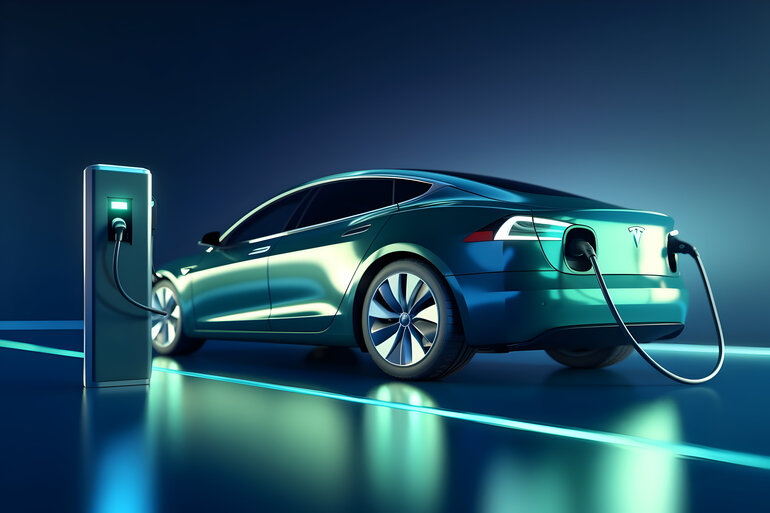
Alongside tariff stability, authorities have directed power distribution companies to significantly scale up EV charging infrastructure. This includes the installation of new charging stations in major cities and along high-traffic corridors, improving accessibility for EV users and addressing one of the key barriers to adoption, being charging availability.
The move aligns with Haryana’s broader sustainability goals and its commitment to promoting cleaner transportation alternatives. A more robust charging network is likely to encourage higher EV adoption, reduce dependence on fossil fuels, and contribute to lower urban emissions.
Industry observers view this combined approach as a strategic step. Stable electricity pricing supports economic activity, while expanded EV infrastructure positions the state as a forward-looking player in India’s clean energy transition.
With these measures, Haryana is attempting to strike a balance between affordability and innovation, creating an environment that supports both consumers and the future of mobility.
