


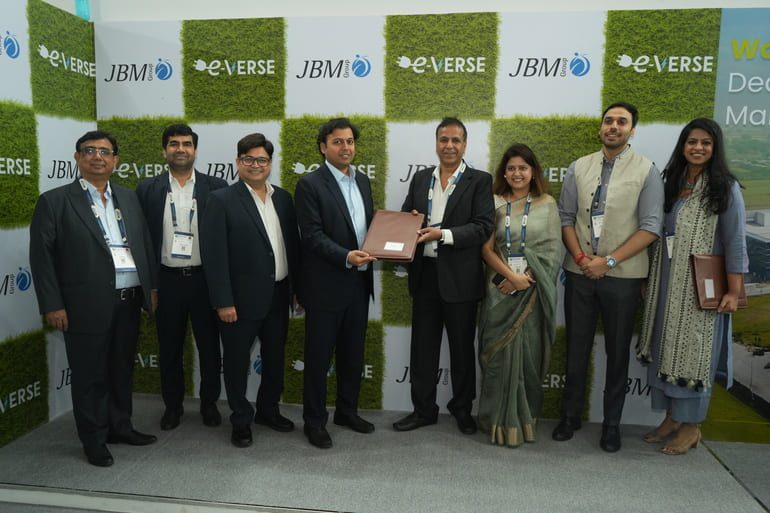
JBM Electric Vehicles (P) Ltd. (JBMEV) has entered into a strategic partnership with DRIVN, an electric commercial vehicle leasing platform, to deploy 500 ultra-modern electric luxury buses across India. The collaboration marks a significant step in expanding the country’s sustainable public transport ecosystem by combining advanced electric bus technology with integrated leasing and mobility solutions. The initiative also supports JBM Electric Vehicles’ long-term Net Zero 2040 commitment by accelerating the adoption of zero-emission commercial transportation.
Under the Memorandum of Understanding (MoU), JBM Electric Vehicles will supply the electric buses in a phased rollout over the next 12 months. The first phase will focus on deploying luxury intercity coaches for fleet operators across India, supported by a comprehensive package that includes long-term vehicle financing, maintenance services and charging infrastructure. By offering an integrated ownership model, the partnership aims to reduce upfront investment requirements for operators while simplifying fleet management and encouraging wider adoption of electric buses. Beyond intercity transportation, JBM Electric Vehicles and DRIVN will also explore opportunities in school transportation, employee mobility and airport transit services.
Also Read: https://webnewsaddiction.com/zelio-coimbatore-ev-manufacturing/
Commenting on the occasion, Nishant Arya, Chairman, JBM Electric Vehicles, said: “India witnessed a growth of 40% in e-bus registrations in H1 CY2026 with 2,944 bus registrations across various states under the PM E-Bus Sewa and PM E-Drive schemes. This partnership with DRIVN comes in at an opportune time aptly complimenting the growing momentum in India’s e-bus deployment. At JBMEV, we believe that the transition to clean mobility must be both scalable and financially viable. By integrating our advanced electric bus technology with DRIVN’s innovative leasing and financing platform, this partnership is designed to unlock scalable adoption of e-mobility by addressing capital barriers and enabling a more sustainable, asset-light transition for fleet operators, corporates amongst others. This collaboration reinforces our commitment to building a future-ready, zero-emission mobility ecosystem while advancing India’s decarbonisation agenda.”
Alpna Jain, Co-Founder and Chief Business Officer, DRIVN said: “Commercial fleet electrification requires an ecosystem that makes the transition both operationally seamless and financially viable. Our partnership with JBM Electric Vehicles combines technology leadership, EV ecosystem solutions and manufacturing excellence with an integrated leasing model to help fleet operators adopt electric buses with greater ease and confidence. By bringing together financing, fleet support and charging solutions, we are building a scalable pathway for accelerating commercial EV adoption across India.”
Also Read: https://webnewsaddiction.com/regency-fincorp-raises-rs50-crore-listed-ncd/
Since entering the electric bus segment in 2018, JBM Electric Vehicles has steadily expanded its footprint in the global electric mobility market. The company has already deployed more than 3,500 electric buses worldwide and expects this figure to exceed 5,000 buses over the next year as demand for sustainable public transportation continues to grow.
As part of its 3 billion electric kms commitment, JBM’s electric bus fleet has collectively covered over 450 million e-kilometres, transporting approximately 1.5 billion passengers across multiple markets. These milestones underscore the company’s growing contribution to zero-emission public transport and its continued investment in advancing cleaner mobility solutions.
The collaboration with DRIVN reinforces JBM Electric Vehicles’ long-term strategy of expanding commercial electric mobility through integrated ecosystem solutions. By combining advanced electric bus technology with innovative leasing, financing and charging infrastructure, both companies aim to accelerate fleet electrification while supporting India’s transition towards cleaner and more sustainable public transportation.
