



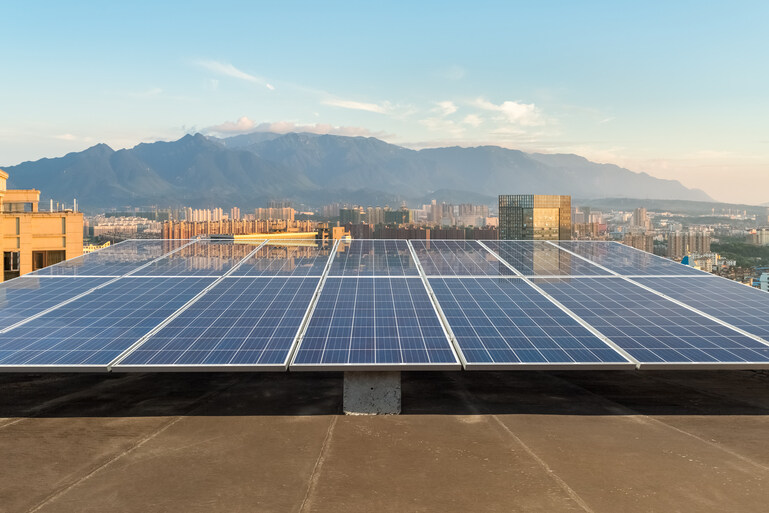
Jharkhand has invited bids for the operation and long-term maintenance of rooftop solar systems installed across government buildings, reflecting a growing focus on improving performance of existing renewable energy assets. The tender, issued by the Jharkhand Renewable Energy Development Agency (JREDA), seeks agencies for a five-year Comprehensive Maintenance Contract and Operation (CMCO) of hybrid rooftop solar plants installed between FY16 and FY22. These projects were originally executed on a turnkey basis and their initial maintenance periods are now expiring.
The scope of work includes operation and maintenance of the systems, along with replacement of key components such as power conditioning units and batteries, including buy-back of old equipment. Selected agencies will be responsible for preventive maintenance, breakdown rectification, manpower deployment, and ensuring 24×7 plant functionality. Routine servicing activities such as module cleaning, battery upkeep, electrical checks, and reporting are also part of the contract.
The contract duration is five years, while the timeline for supply, installation, testing, and commissioning of batteries and power conditioning units has been set at four months from the issuance of the work order. The tender has been divided into six categories based on system capacity, ranging from 1 kWp to above 100 kWp, with bidders allowed to participate in only one category.
Under the eligibility criteria, bidders must be registered Indian entities with mandatory contractor registration with JREDA and a valid electrical contractor licence. They must demonstrate prior experience in executing similar projects for government organizations, PSUs, or state agencies. The tender also requires bidders to have access to manufacturing and testing facilities, either in-house or through approved third-party laboratories.
The last date for online bid submission is May 25, 2026, while technical bids will be opened on May 28, following a pre-bid meeting scheduled earlier in the month.
This development highlights a broader shift in the solar sector towards lifecycle management, where maintaining and optimizing existing assets is becoming as important as new capacity addition.

1 Comment
Pingback: vServe Expands into Europe and Eyes Australia for Global Growth