



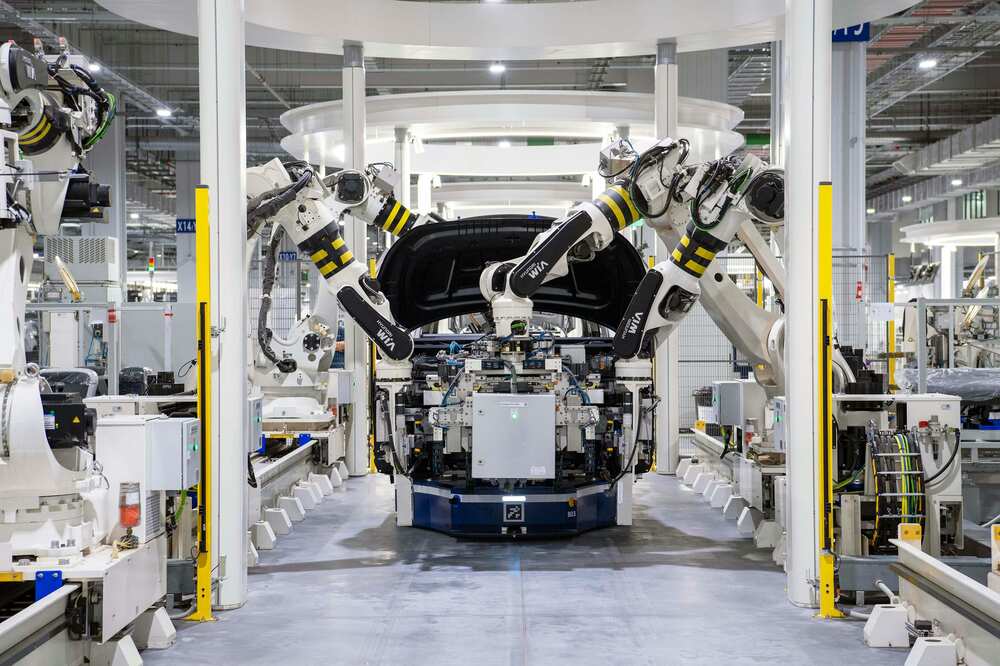
Smart manufacturing represents a transformative shift in industrial production, leveraging advanced technologies to optimize processes, enhance efficiency, and reduce costs. As industries worldwide embrace digital transformation, it has emerged as a crucial strategy for maintaining competitiveness in an increasingly dynamic market.
Also Read: https://webnewsaddiction.com/the-rise-of-ev-batteries-and-their-environmental-impact/
Embarking on the journey of smart manufacturing requires a structured approach. These key steps can help you get started:
Assess Current Capabilities – Conduct a thorough evaluation of existing processes, technologies, and workforce capabilities.
Define Clear Objectives – Identify specific goals such as improving efficiency, reducing downtime, or enhancing product quality.
Invest in Key Technologies – Implement essential smart manufacturing technologies such as the Internet of Things (IoT), Artificial Intelligence (AI), and robotics.
Develop a Skilled Workforce – Train employees to work with advanced digital tools and automation systems.
Ensure Cybersecurity Measures – Protect data and systems from cyber threats with robust security protocols.
Adopt Scalable Solutions – Implement technologies that can grow and evolve with business needs.
Monitor and Optimize Continuously – Utilize real-time data analytics to refine processes and improve performance over time.
Benefits:
Smart manufacturing offers numerous advantages, including:
Enhanced Efficiency – Automation and real-time monitoring reduce waste and increase productivity.
Cost Reduction – Lower operational costs through predictive maintenance and energy optimization.
Improved Product Quality – AI-driven quality control minimizes defects and enhances consistency.
Greater Flexibility – Rapid adjustments to production lines allow for customization and small-batch production.
Data-Driven Decision Making – Advanced analytics provide actionable insights for strategic planning.
Impact
The adoption of smart manufacturing has far-reaching implications across industries:
Economic Growth – Boosts productivity and innovation, driving economic expansion.
Job Transformation – Creates demand for skilled labor while automating repetitive tasks.
Supply Chain Resilience – Enhances supply chain visibility and responsiveness.
Customer Satisfaction – Faster production cycles and customization options lead to improved customer experiences.
Technologies Available
A range of cutting-edge technologies power smart manufacturing, including:
Internet of Things (IoT) – Enables real-time monitoring and connectivity across machines and systems.
Artificial Intelligence (AI) & Machine Learning – Automates decision-making and predictive maintenance.
Big Data Analytics – Extracts meaningful insights from vast amounts of production data.
Cloud Computing – Facilitates remote monitoring, collaboration, and scalability.
Digital Twins – Creates virtual replicas of physical assets for simulation and testing.
Advanced Robotics & Automation – Enhances precision, efficiency, and speed in production lines.
Impact on Sustainability
Sustainability is a critical concern in modern manufacturing, and smart manufacturing contributes significantly to environmental goals:
Energy Efficiency – IoT-enabled monitoring reduces energy consumption.
Waste Reduction – Predictive analytics optimize resource utilization.
Eco-Friendly Production – AI-driven processes minimize material waste and emissions.
Circular Economy Support – Enables sustainable practices such as recycling and remanufacturing.
Conclusion
Smart manufacturing is revolutionizing the industrial landscape, offering unparalleled efficiency, cost savings, and sustainability benefits. By adopting advanced technologies and a strategic approach, businesses can harness its full potential, ensuring long-term success in a competitive global market.
